Skip to content

Journal club on 9/25

We will all read two short articles about Cystic Fibrosis:

  • Couzin-Frankel J. The promise of a cure: 20 years and counting. Science. 2009 Jun 19;324(5934):1504-7.
  • Pearson H. One gene, twenty years. Nature. 2009 Jul 9;460(7252):164-9.

Each one of us will then pick one of the following topics, elaborate the discussion by reading an additional latest reference of your choice and present the major ideas in the lab meeting.  (Liyun, as a physician for years, should pick up a more research-based topic).

The format will be a 10-min presentation followed by 5-min discussion. If you are discussing a research paper, the breakdown should be as follows: 5-min for background+experimental design, 5-min for 1-2 major findings. For a review paper, the breakdown should be approximately 3 mins for each major idea. The presentation should have no more than 4 slides, preferably 3, you can also use the board. We will also bring a timer.

I suggest the following six topics:

  1. Pathophysiology
  2. Etiology and epidemiology
  3. General therapeutic approaches excluding gene therapy
  4. Functional characterization of CFTR
  5. Animal models, challenges and prospects
  6. Gene therapy, challenges and prospects

Please reply and this thread to select your topic, and upload both your presentation and the reference article to the appropriate lab meeting folder.  I look forward to discussing these ideas with you!
Biotechnology Mobile Laboratory Education Program in Hong Kong

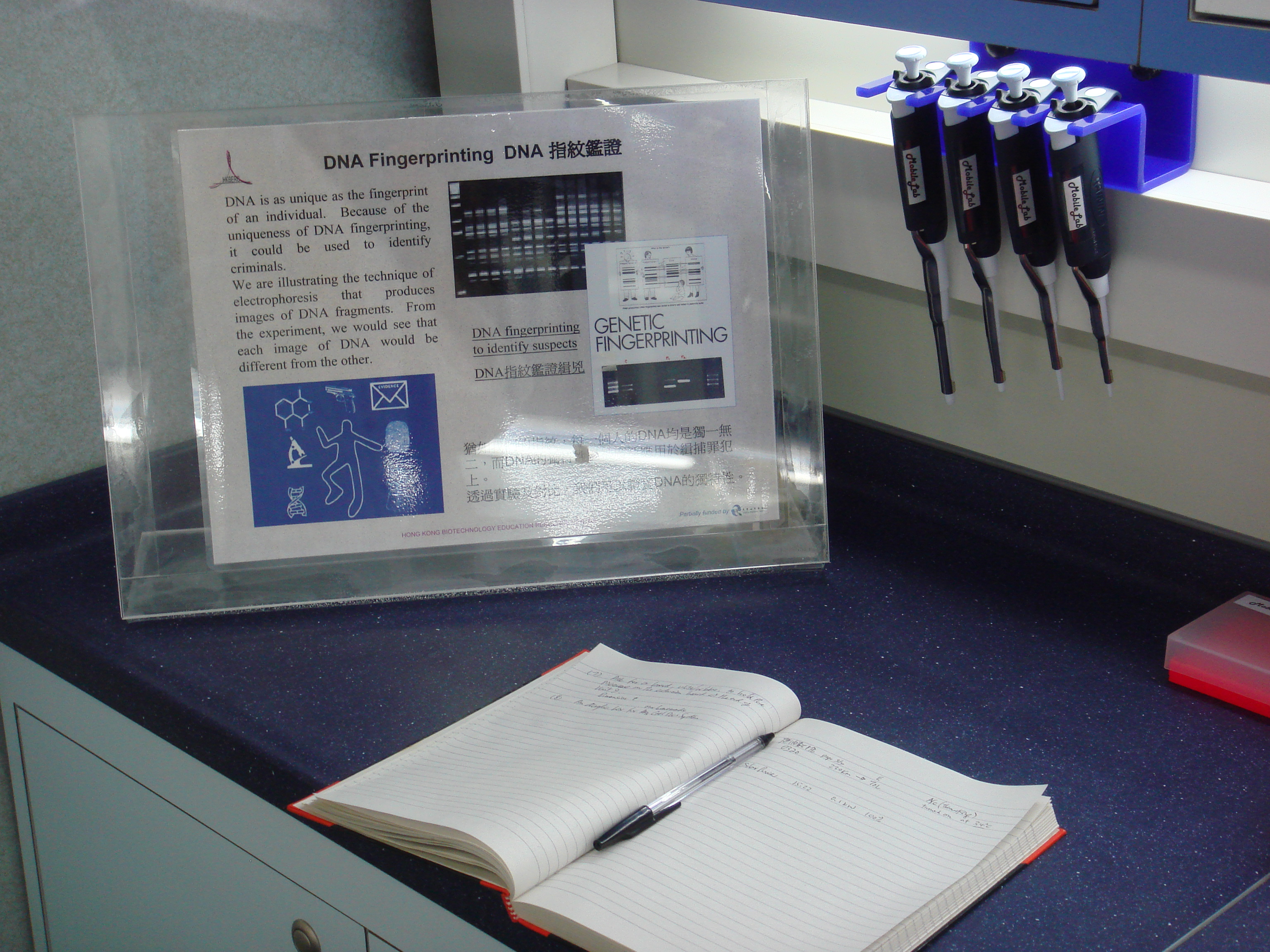
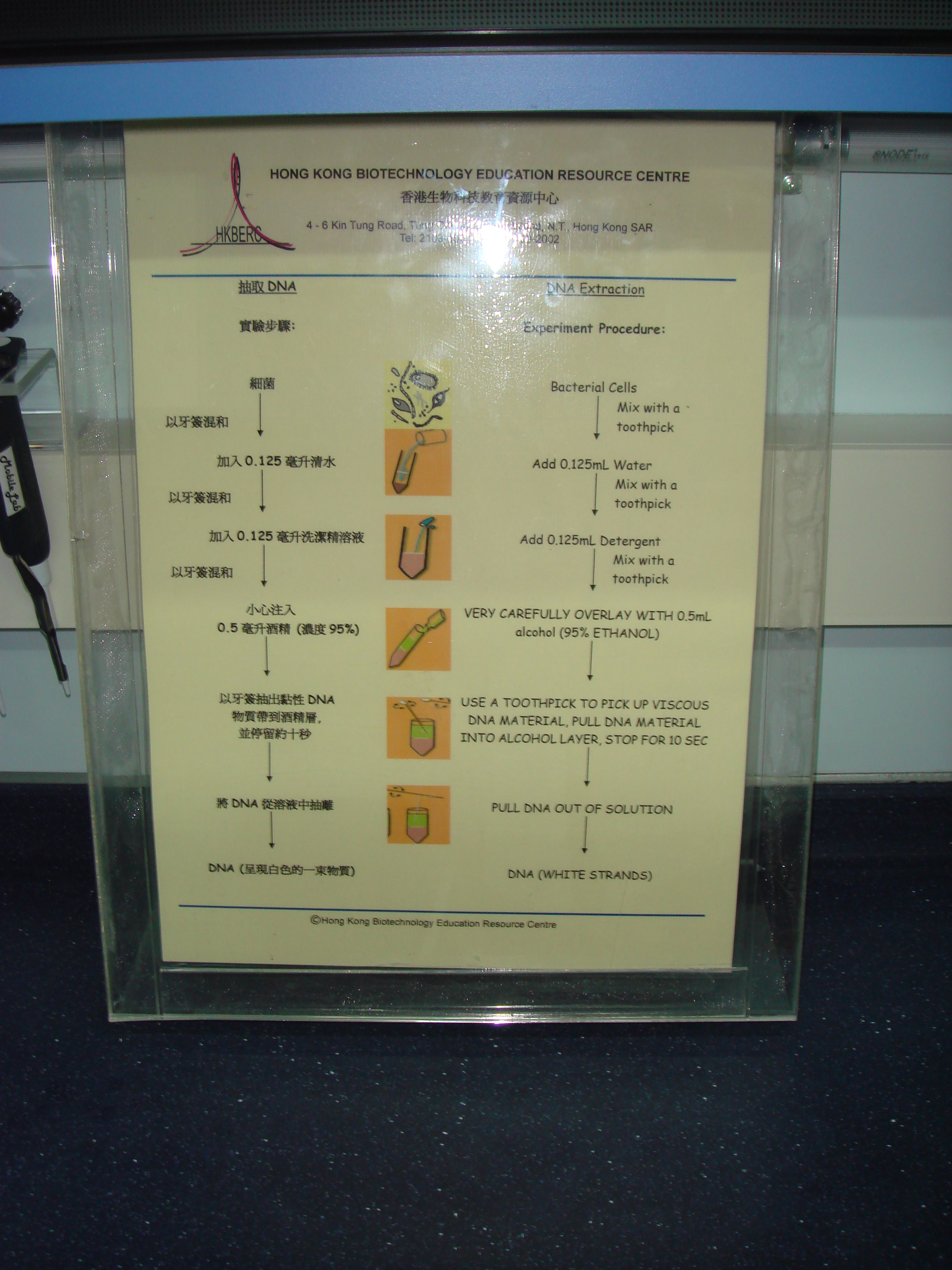
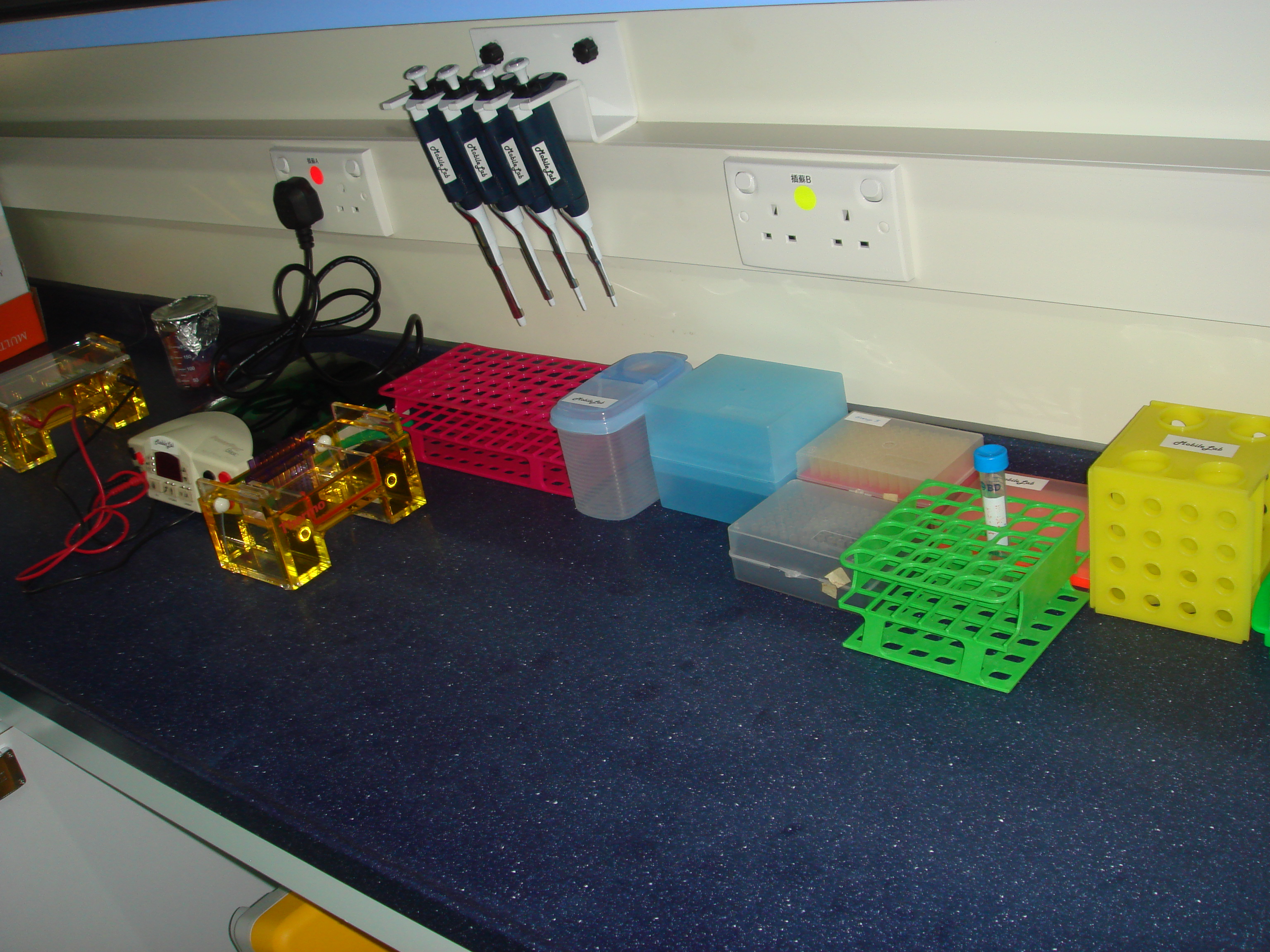
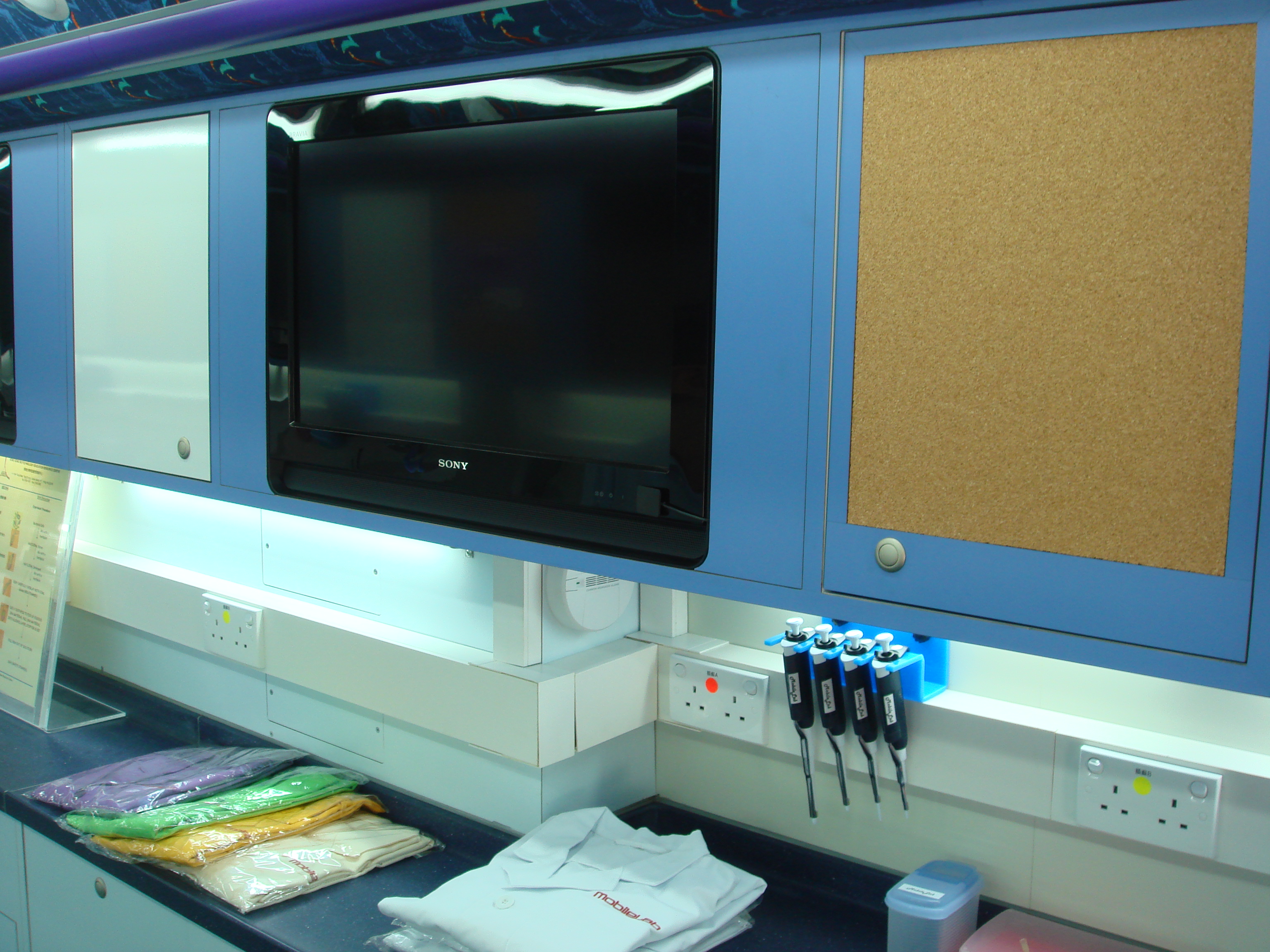
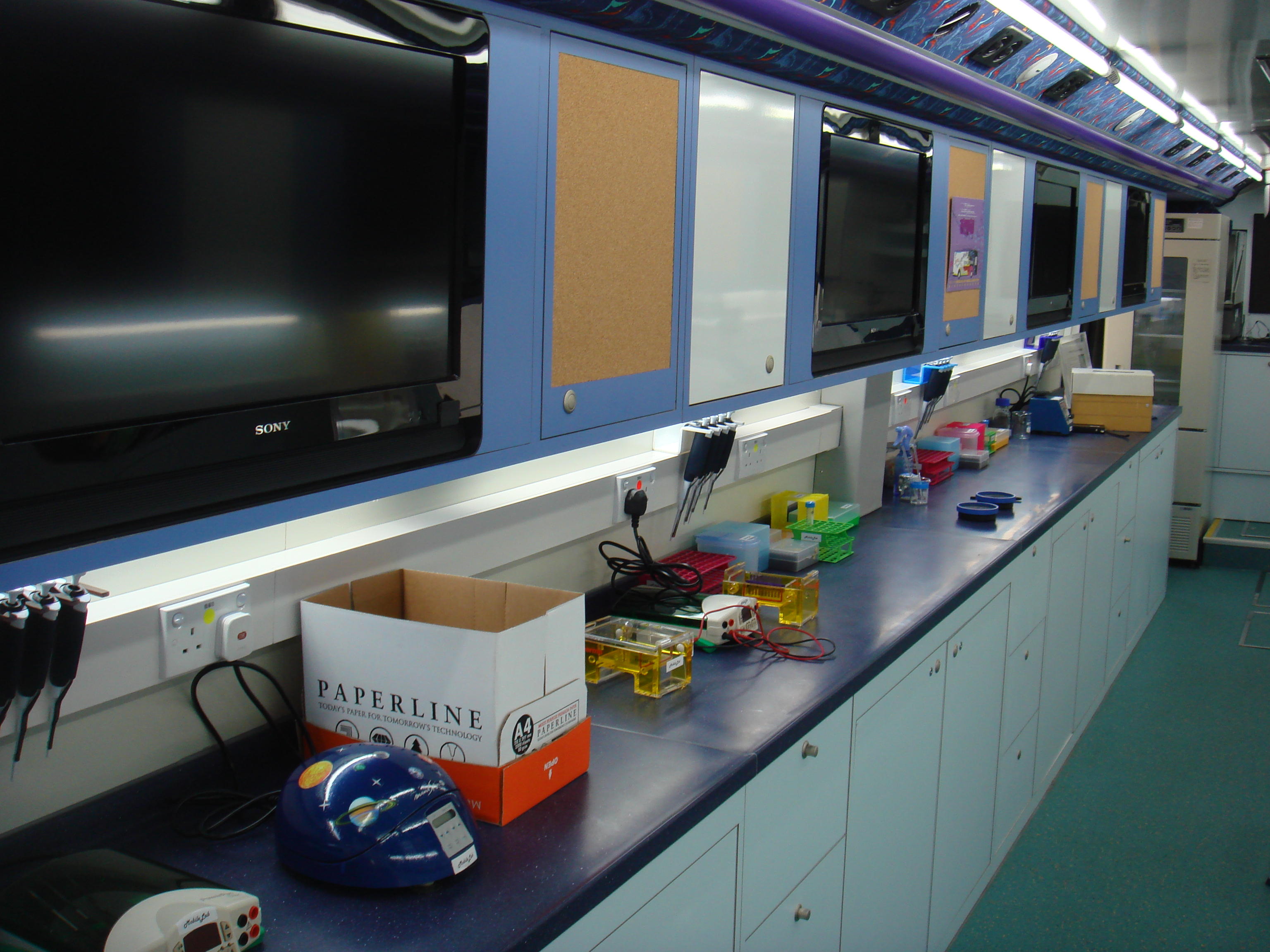
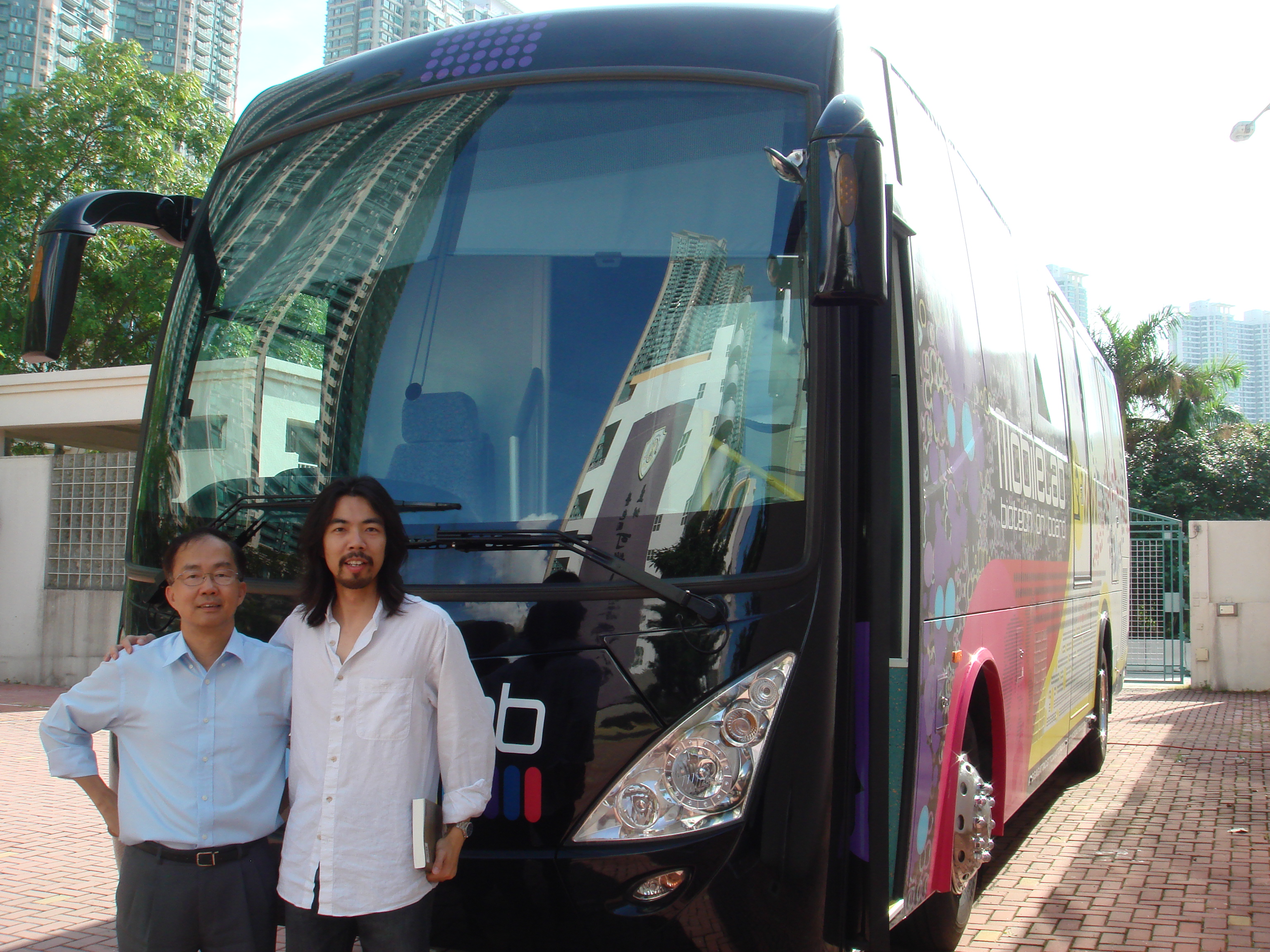
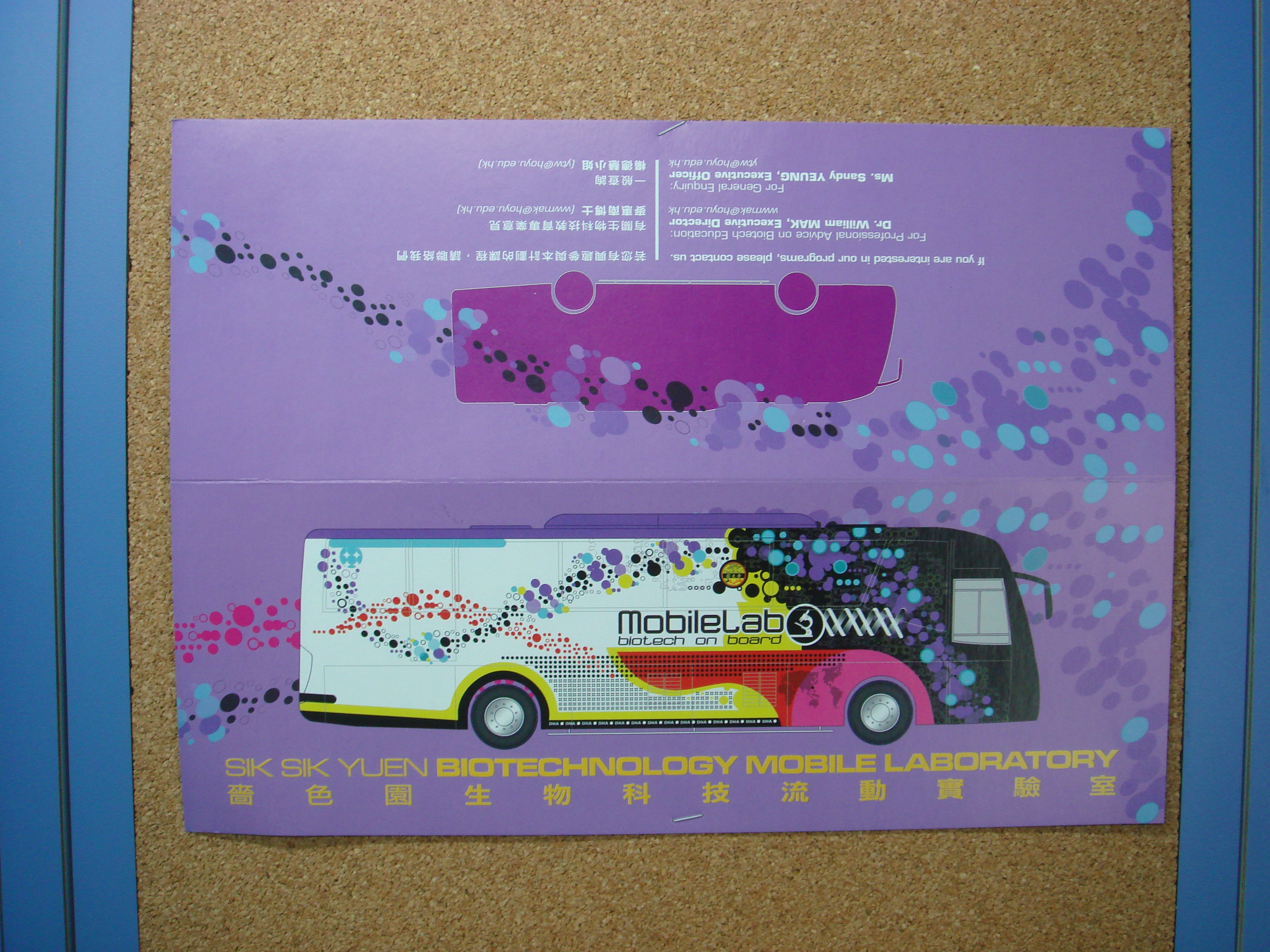
Dr. William Mak, a good friend and a great role model, has been devoting his career to improving the biotechnology education for primary and secondary students and teachers over the years. He has established the Hong Kong Biotechnology Education Resource center with Sik Sik Yuen Ho Yu College and built a university-level research laboratory to facilitate the process. He has been working on another interesting project recently – a custom-built coach bus that serves as a mobile laboratory for the community. He made me feel proud to be a Hong Kong scientist.

More information can be found here:
http://www.hkberc.org.hk
http://mobilelab.hoyu.edu.hk

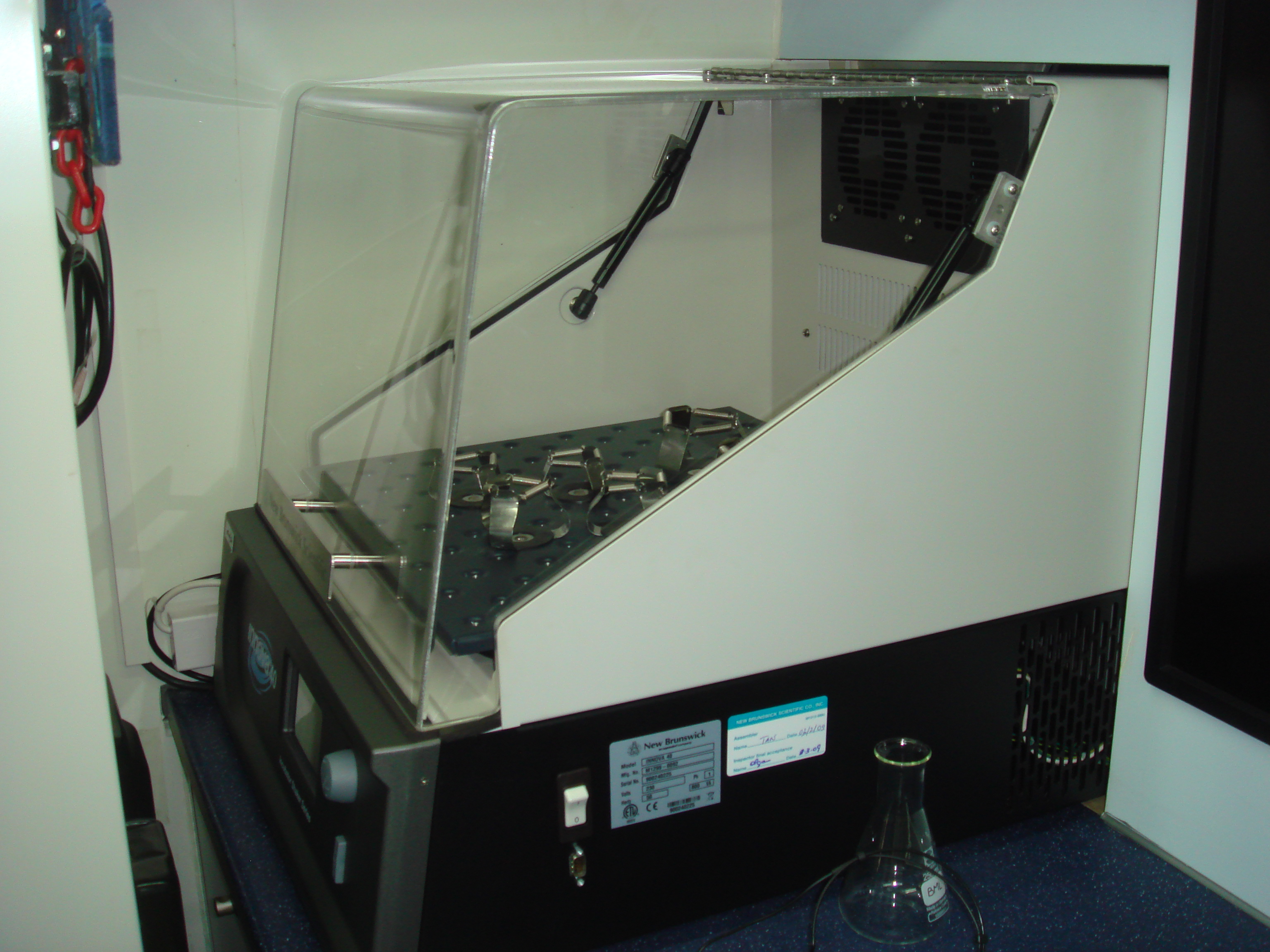
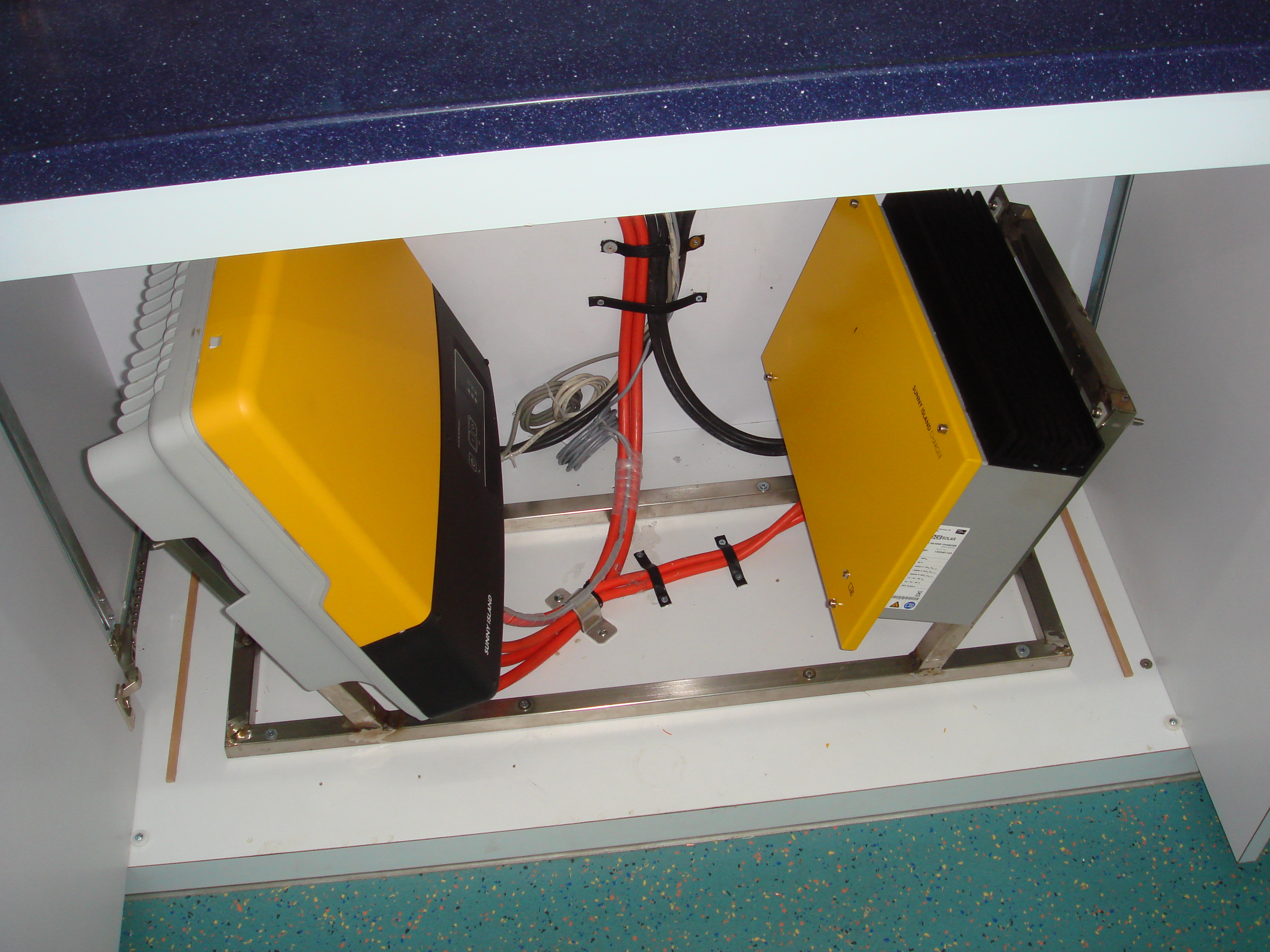
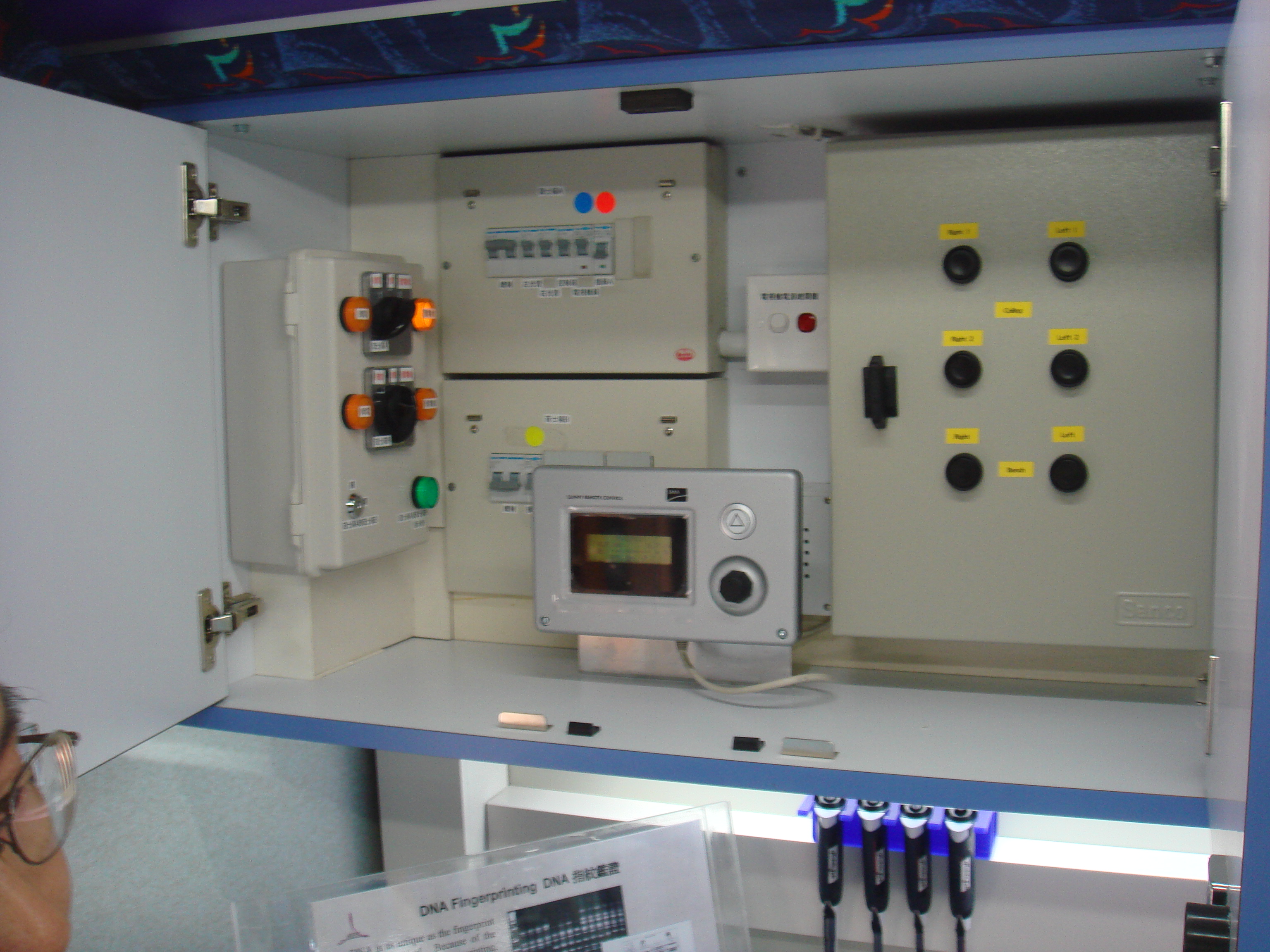
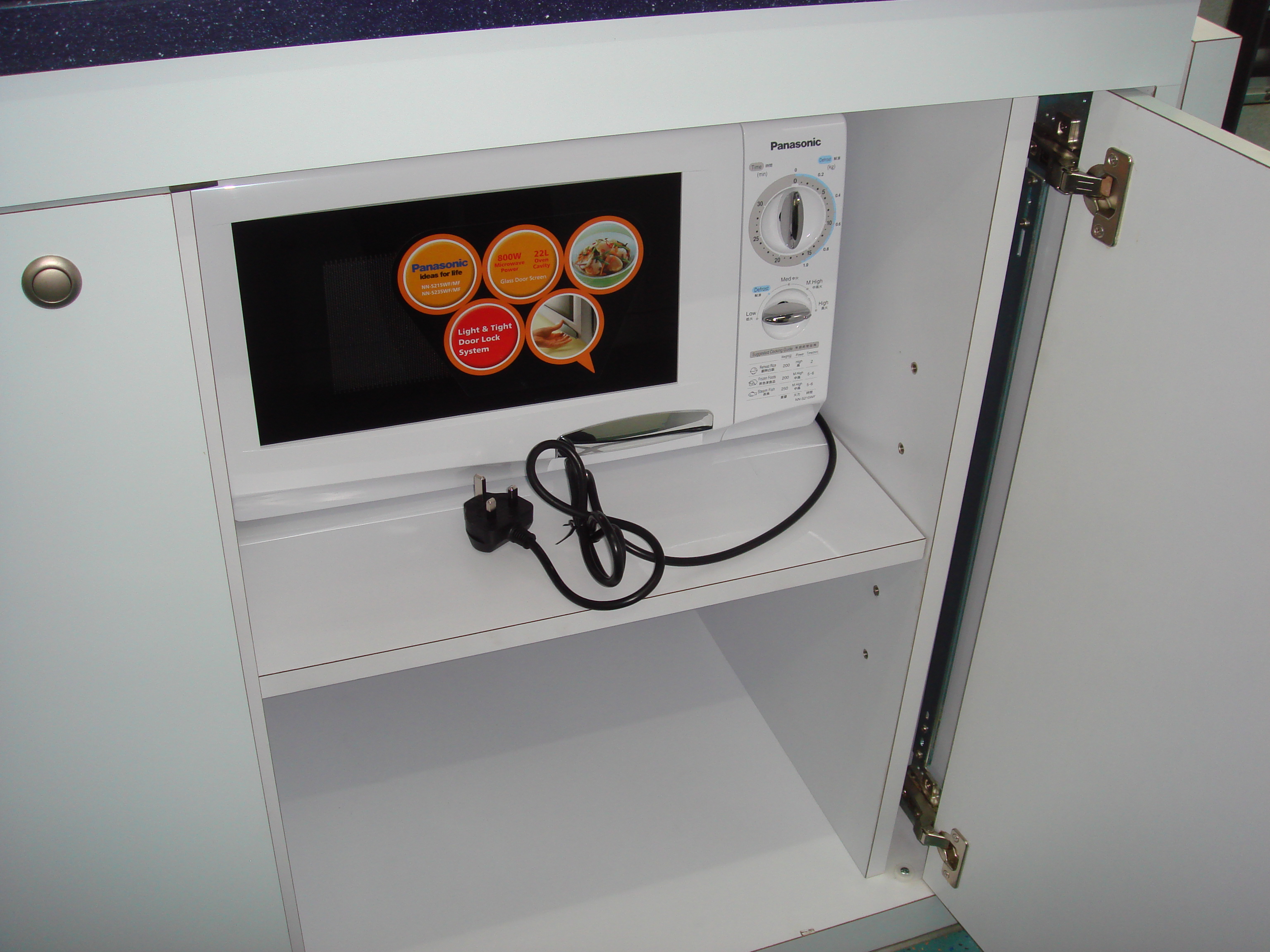
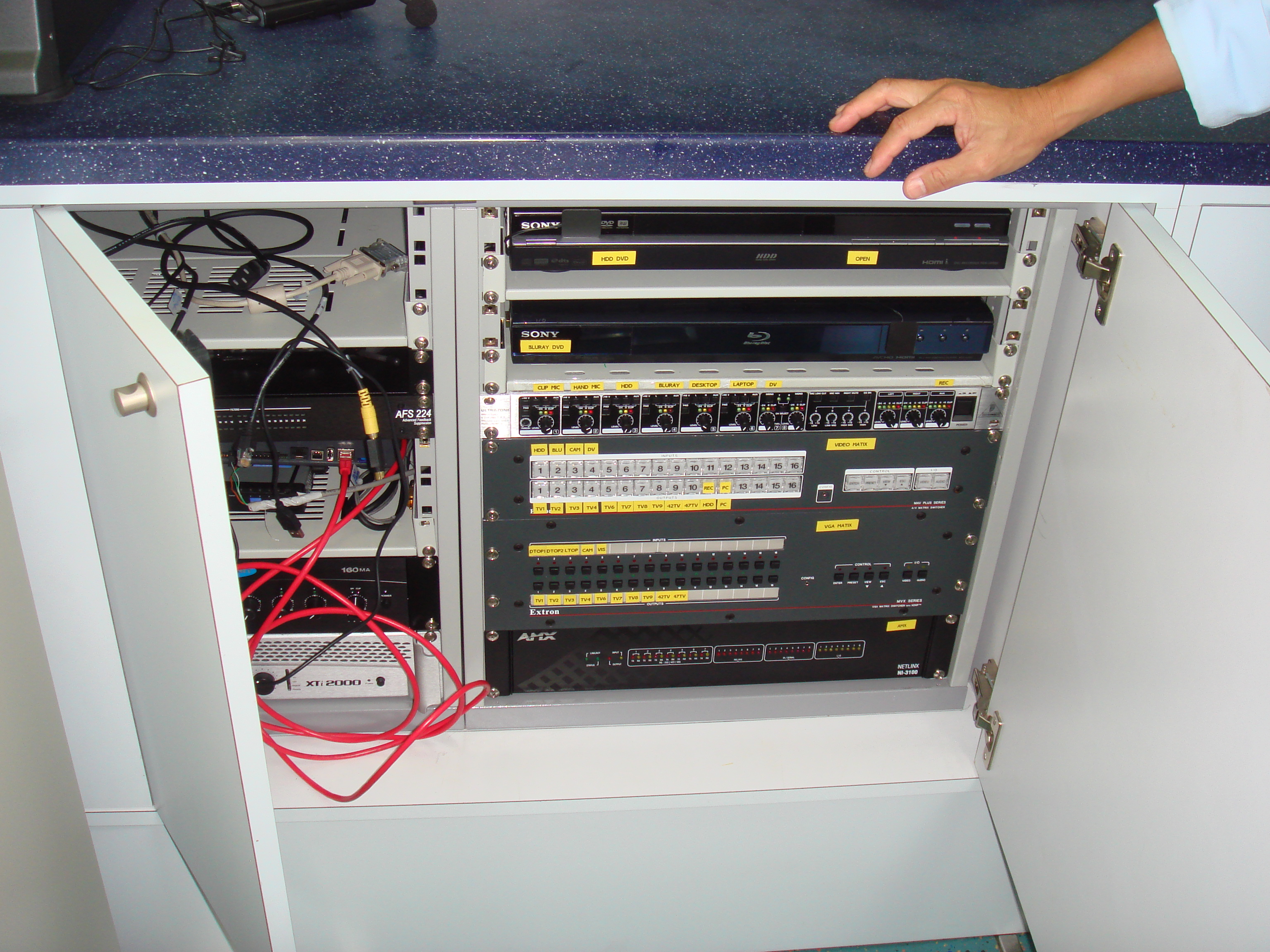
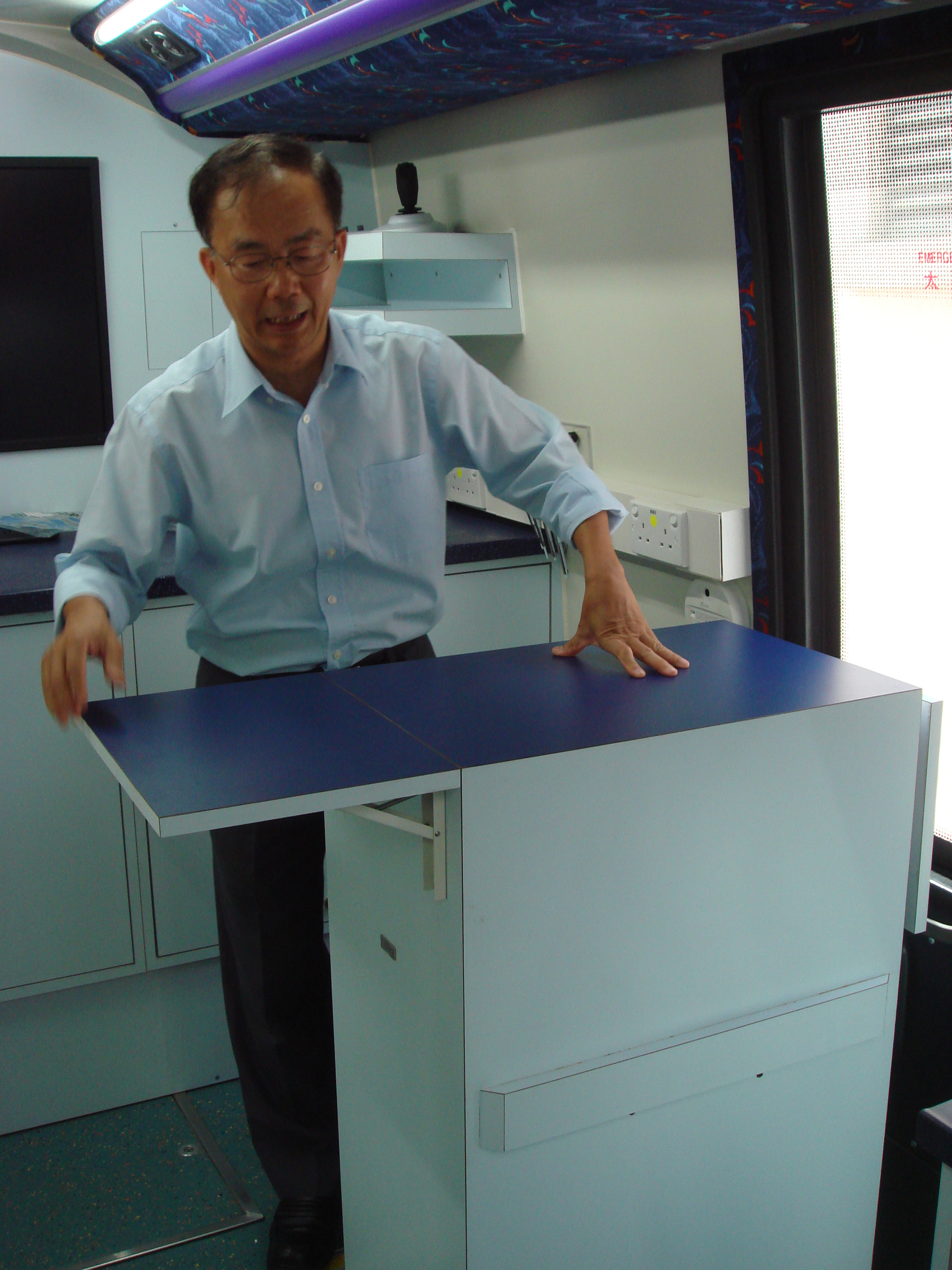
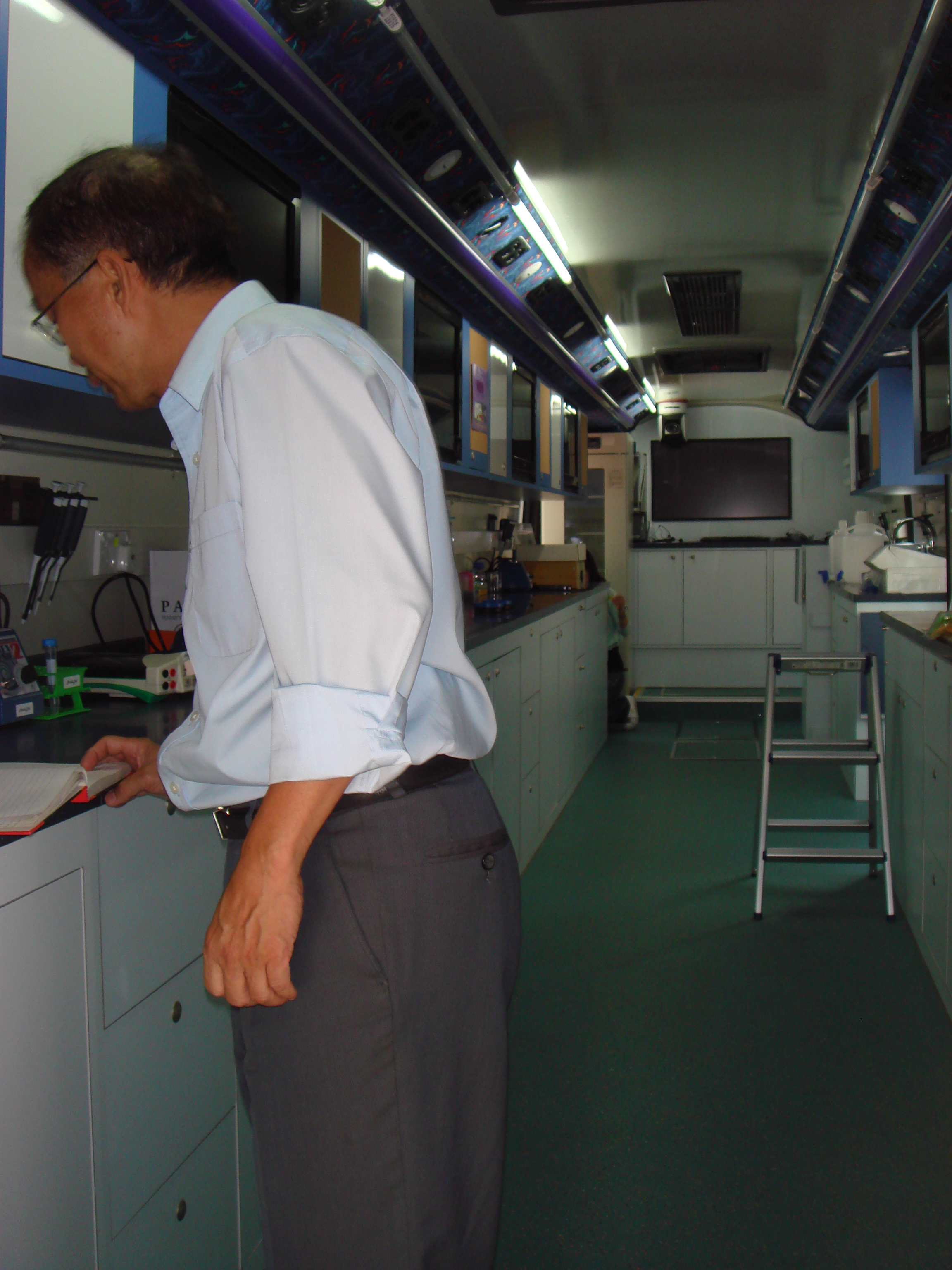
Here are a few pictures of my visit…

Placebos Are Getting More Effective.

Placebos Are Getting More Effective. Drugmakers Are Desperate to Know Why.

from wired magazine.

Discovery Channel Shark Week

Hello everybody I’m sure you all were glued to your TV’s every night this week like I was for shark week 😉 Ok maybe not. However, if you support the ban on shark finning to save sharks which in turn in saving the whole ocean please go to http://dsc.discovery.com/sharks/ocean-conservancy-petition.html and sign the petition. Also, for more information you can go to sharkweek.com.

Is that blue or green?

They are the same.

Here is how your brain done this.

A lesson learned from a regeneration study

We have briefly touched the subject of stem cell research in the last journal club. The challenge of developing “stem cell” as a useful therapy is three fold:

  1. Turning the clock of a differentiated cell back to the very beginning.
  2. Guiding the resulting dedifferentiated “stem cells” or any kinds of “stem cells” to develop into the appropriate cell types.
  3. Incorporating these new cells into the existing organ system properly.

In one sense, the premise of 1 and 2 is that 3 would happen automatically once you can get the Stem cells. They are not only expected to become the desired cell type, but also are expected to know what to do inside the body. This can be a tall order.

There is actually a lot to learn from basic research to see how mother nature deals with the regeneration problem. Salamander is a great regeneration model. If you cut its limb off, the cells in the wound region will grow back a limb to its entirety.

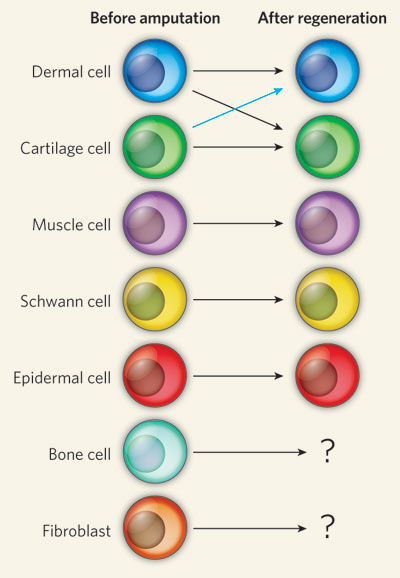
It has long been thought that these cells that are responsible for the regeneration process are pluripotent, or “stem cell”-like. A very interesting research has proven it is otherwise. The original cells in the limb actually remember their identities, and they will only grow back to their own kind. In other words, muscle cells will become muscle cells, and skin cells will become skin cells.

460039a-f2.2

It looks like that instead of having some very specialized stem cells that switch all the way  back to the beginning, the differentiated cells just go back a few (?) steps and maintain their identities during the process. One wonders how this process is regulated at the network level and what has been lost in us that we do not have this capability anymore. Maybe this talent is still hibernating somewhere in our genome, waiting for us to turn it back on.

References:

Sánchez Alvarado A. A cellular view of regeneration. Nature. 2009 Jul 2;460(7251):39-40. [PubMed][Nature]

Kragl M, Knapp D, Nacu E, Khattak S, Maden M, Epperlein HH, Tanaka EM. Cells keep a memory of their tissue origin during axolotl limb regeneration. Nature. 2009 Jul 2;460(7251):60-5. [PubMed][Nature]

Lab Meeting 2009-7-28

Please make a recommendation for a funny paper for our lab meeting on 2009-7-28. Please have you recommendation submitted by 2009-7-23 and we will vote on 2009-7-24. NO eye papers please! Be as creative as you can!!

July 21st Lab Meeting

Please make a recommendation for a serious scientific paper for our lab meeting on 2009-7-21. Please make all recommendations by 2009-7-16 and we will vote on which paper to read on 2009-7-17. Get real creative!!!!

New zebrafish book coming!

I have requested our library to buy this new book, which contains a lot of useful information (Link to Amazon. Table of contents is available here). This includes several chapters on making transgenic fish (ask me if you need more information) and advanced imaging techniques.

The secret of ageing

may lie inside this girl.

Brooke Greenberg is the size of an infant, with the mental capacity of a toddler. She turned 16 in January.

….

Brooke hasn’t aged in the conventional sense. Dr. Richard Walker of the University of South Florida College of Medicine, in Tampa, says Brooke’s body is not developing as a coordinated unit, but as independent parts that are out of sync. She has never been diagnosed with any known genetic syndrome or chromosomal abnormality that would help explain why.

References:

Doctors Baffled, Intrigued by Girl Who Doesn’t Age [ABC news]

Walker RF. A case study of ‘‘disorganized development’’ and its possible relevance to genetic determinants of aging. Mech Age Devel 2009; 130:350 [PubMed][pdf (link provided by the research group’s site)]